Quiet your mind · 3 min

How to stop overthinking in a relationship

To stop overthinking in a relationship, separate what happened from the story you're telling about it. 'He hasn't replied in four hours' is a fact. 'He's losing interest' is a guess. Write the anxious message without sending it, wait until you're calm, then say what you need in one 'I feel' sentence.

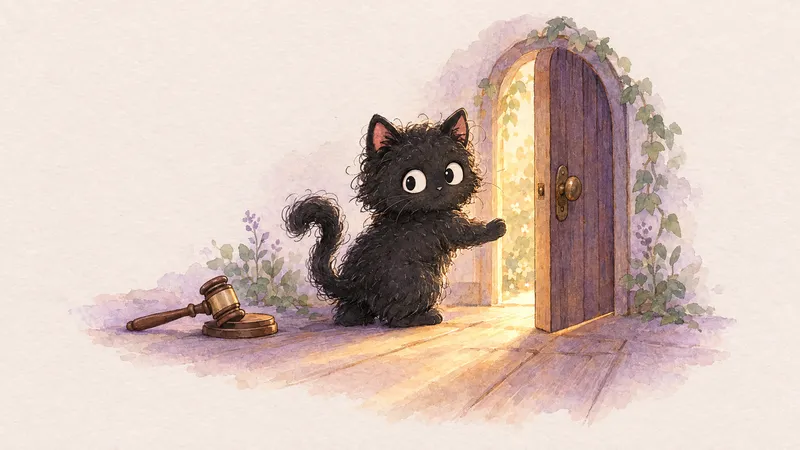
Mochi the black cat, relationship overthinking.

How to do it

  1. 1
    Split fact from story

    Write two lines. 'What happened: no reply since 1pm.' 'What I'm afraid it means: he's going off me.' Only the first line is true.

  2. 2
    Find three other reasons

    List three ordinary explanations: back to back meetings, phone on 4%, at the gym. Cleveland Clinic suggests three realistic outcomes besides the worst.

  3. 3
    Say it, don't send it

    Type the raw message in full, every word you want to send. Then delete it. The feeling gets out. The text doesn't.

  4. 4
    Set a late night rule

    No relationship texts after 11pm. Draft at night if you need to, decide in daylight.

  5. 5
    Send one calm line

    If something does need saying: 'I feel ___ when ___. Could we ___?' One message. Then put the phone in another room.

Is relationship anxiety normal?

Some checking is normal, especially early on. It becomes a problem when you need reassurance again and again and it never lasts.

Research by Shaver, Schachner and Mikulincer found that excessive reassurance seeking in couples went hand in hand with attachment anxiety, and partners noticed it. So the fifth 'are we ok?' of the day lands on them too. If this sounds like you, read our guide to anxious attachment.

He hasn't texted me all day: what now?

Say Sam hasn't replied since lunch, and he was online an hour ago. Your brain reads silence as a message. Usually it's just silence.

Check his normal pattern, not your fear. If he's often quiet on workdays, today is ordinary. If something feels off for days, that's a conversation, not a text.

“Wow ok. Guess I know where I stand.”

“Hope your day's going alright. Talk tonight?”

Should I double text?

One follow-up is fine if it adds something new and you'd send it feeling calm. Ask: am I sharing, or am I testing him?

  • Fine: 'Also, that place I mentioned does Sunday brunch.'
  • Fine: 'No rush, just checking Saturday still works.'
  • Hold it: '??'
  • Hold it: 'Did I do something wrong?'
  • Hold it: anything sent to see how fast he replies.

I sent a text I regret: what do I do?

Don't send three more explaining the first one. Send one repair line that owns it without grovelling, then step away for 20 minutes.

“Sorry sorry ignore me, I'm being crazy, I'm the worst.”

“That came out sharper than I meant. I was anxious, not angry. Can we talk tonight?”

How do I bring up texting anxiety without a fight?

The Gottman Institute calls it a softened start-up: complain without blaming, use 'I' statements and describe what happened rather than judging it. Pick a calm moment, not mid spiral.

“You never text me back. Do you even care?”

“I get anxious when I don't hear from you all day. A quick 'busy, talk later' would really help me.”

Questions people ask

Is it normal to overthink in a relationship?

Yes, to a point, especially early on when you don't know each other's patterns yet. It's worth working on when the worry is constant, the reassurance never sticks, or you're reading meaning into every reply time.

Why do I overthink when he doesn't text back?

Silence leaves a gap and an anxious mind fills it with the worst story. Past hurt makes that story feel more likely. Write the fact and the fear on separate lines to see the difference.

Should I double text?

One follow-up that adds something new is usually fine. Several in a row, or messages sent to test how fast he replies, tend to make you feel worse. If you're panicking, write it and don't send it.

How do I tell my partner I have relationship anxiety?

Choose a calm moment and use an 'I' statement: 'I get anxious when plans go quiet. It's not about you doing anything wrong. A quick heads up really helps.' Ask for one small, specific thing.