How do you calm yourself down before you say something you'll regret?
Buy time first, calm second. The NHS advice on anger starts with giving yourself time before reacting: count to 10, breathe, step away. You do not owe anyone an instant reply, especially by text.
If you are mid-argument, say one short line and leave. Go back when you can speak at a normal volume.
“Fine. Do whatever you want. You always do.”
“I'm too angry to talk well right now. Give me 20 minutes and I'll come back.”
Does the ice water anxiety trick work?
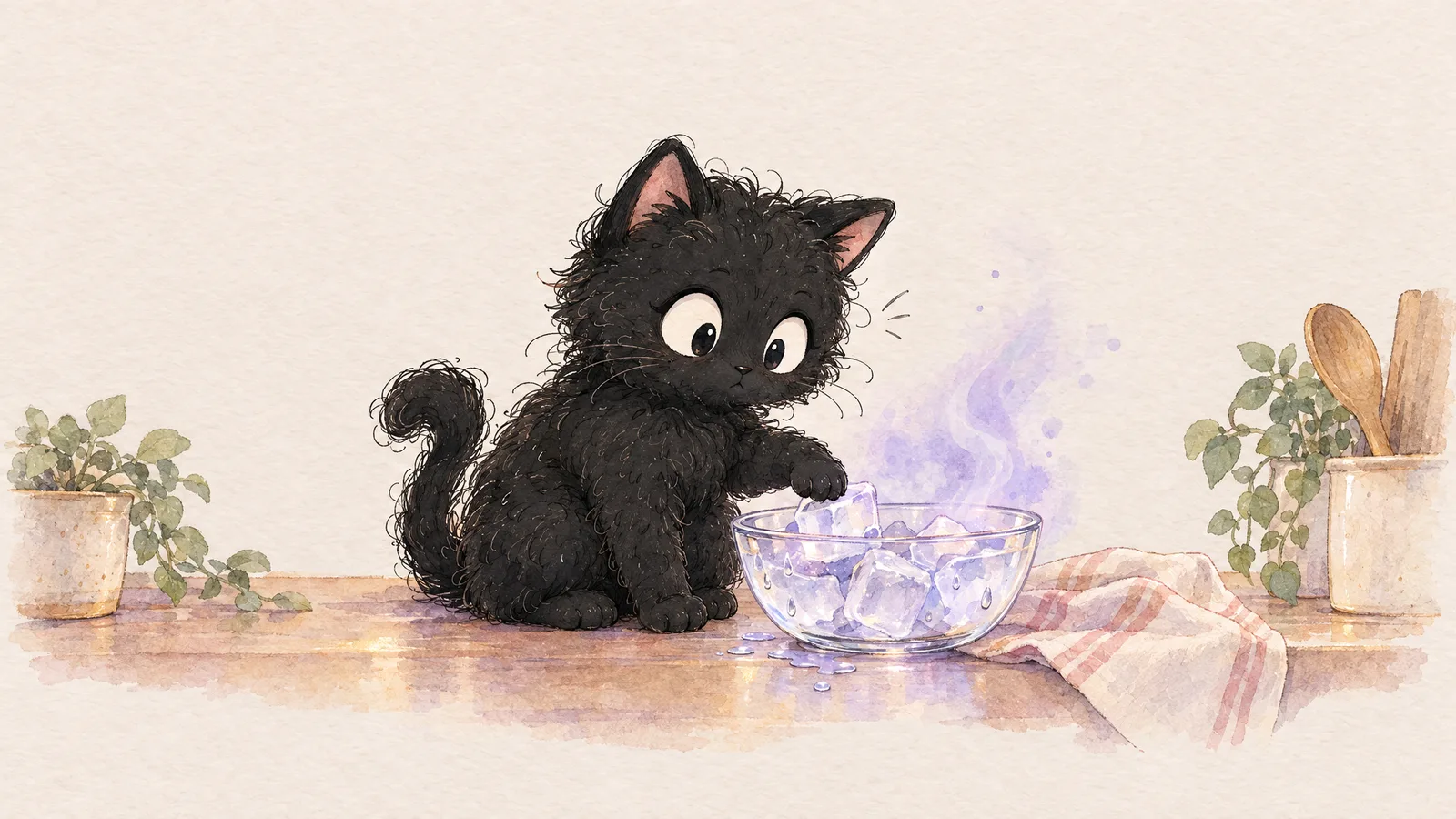
There is a real reflex behind it. Cold water on your face, or an ice pack on your eyes and cheeks, triggers the diving reflex, which slows your heart rate. A University of Virginia biologist who studies it says a slower heart may make you feel less anxious, though that link is still being researched.
Ice for anxiety works the same way in a smaller dose: hold an ice cube in your fist and pay attention to the cold. If you have a heart condition, check with a doctor first.
Does shaking to release anxiety help?
Anger fills your body with energy that wants to go somewhere. Shaking your arms, stamping your feet or a fast walk gives it a place to go that is not a person. The NHS lists getting active, like walking or running, as one way to deal with anger. There is no magic in the shaking itself: the point is to move instead of type.
How do you calm your nervous system quickly?
Make the out-breath longer than the in-breath. In a 2023 study, a pattern of a double inhale and a long exhale (the physiological sigh) lifted mood and slowed breathing more than mindfulness alone. Pair it with cold water and movement.
If anger is turning into hurting people or things, or you feel this way most days, talk to your GP.
- Long exhale: 3 rounds
- Cold: 30 seconds
- Move: 60 seconds